We design and apply machine learning, computer vision, and deep learning
techniques to solve practical problems, spanning drug discovery, medical
image processing, and bioinformatics.
Research Areas
Selected publications per topic. See the PI homepage for the full list.
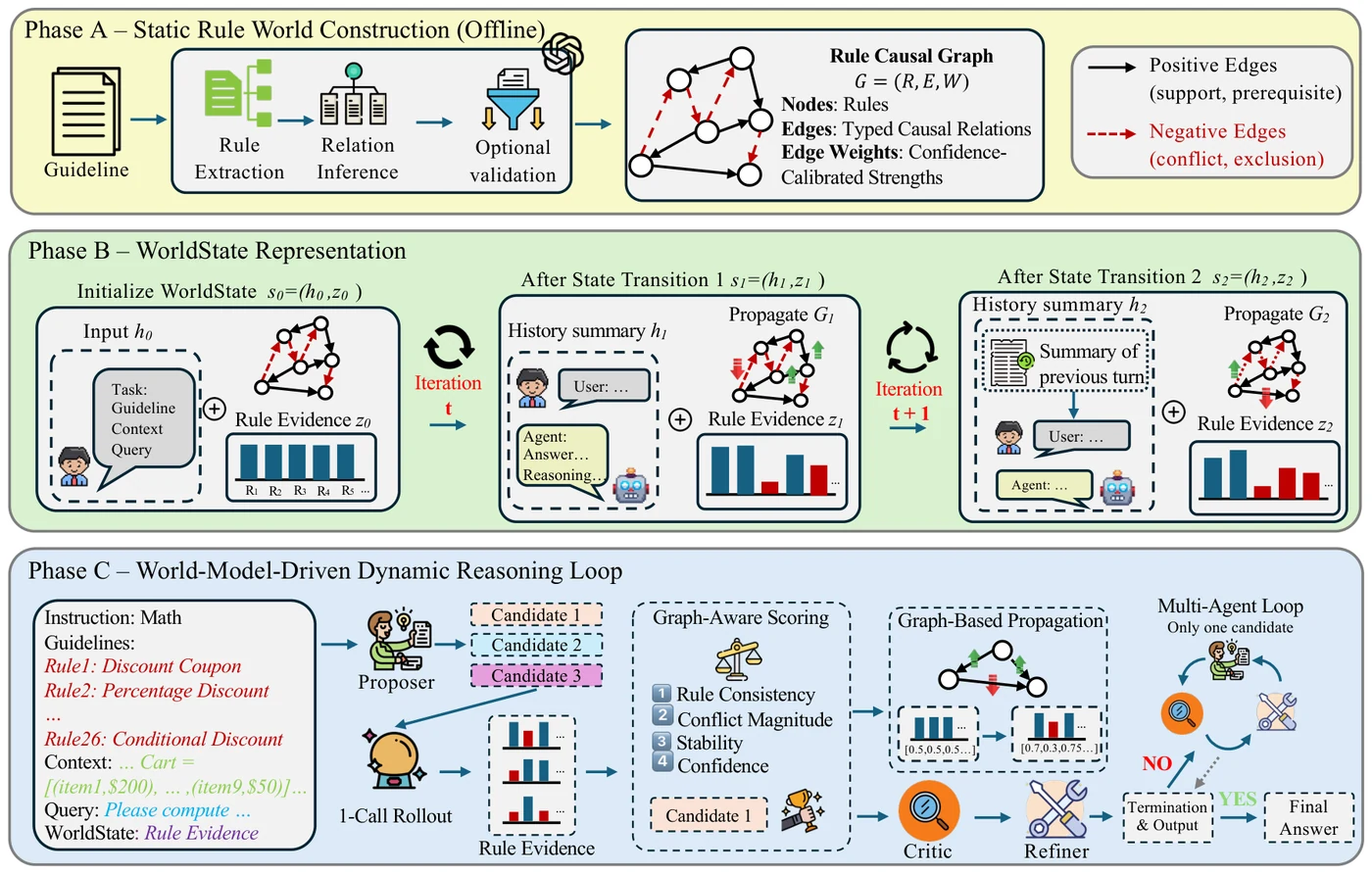
Large Language Models & Guideline-Driven Reasoning
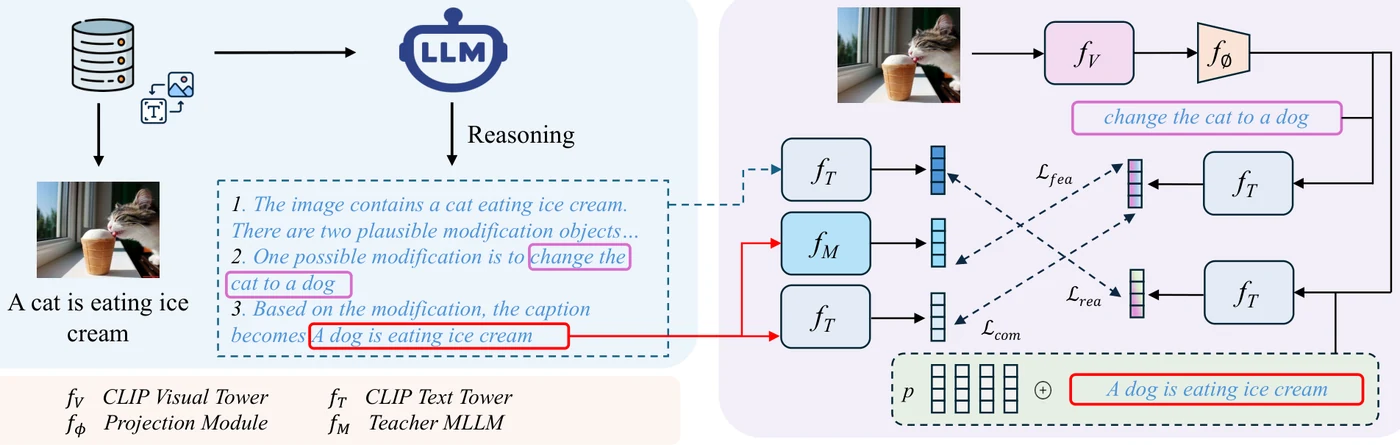
Teaching models to follow explicit written rules: turning guidelines into environments a model can act in, optimizing prompts for expert annotation, and grounding multimodal reasoning in domain protocols.
ACL'26Guidelines as Environments: A World Model Approach to Rule Following
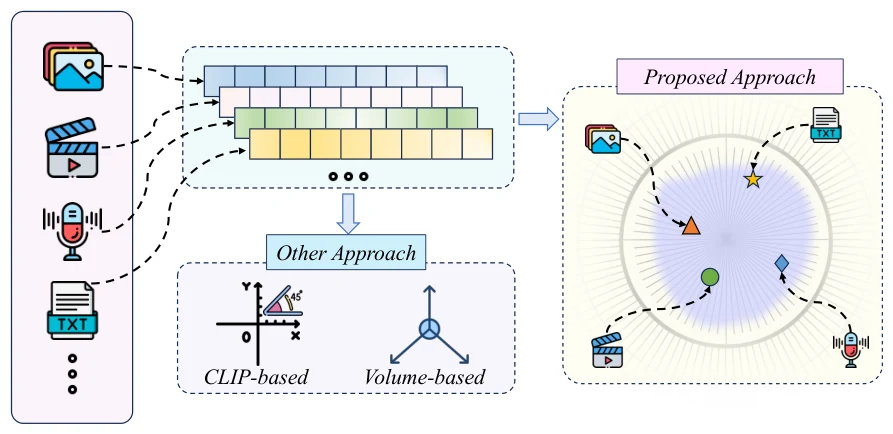
Aligning and fusing heterogeneous sources — images, text, molecules, clinical records — into shared representations, with attention to the geometry of the embedding space and to what happens when modalities are missing.
ICLR'26GRAM-DTI: Adaptive Multimodal Representation Learning for Drug-Target Interaction Prediction
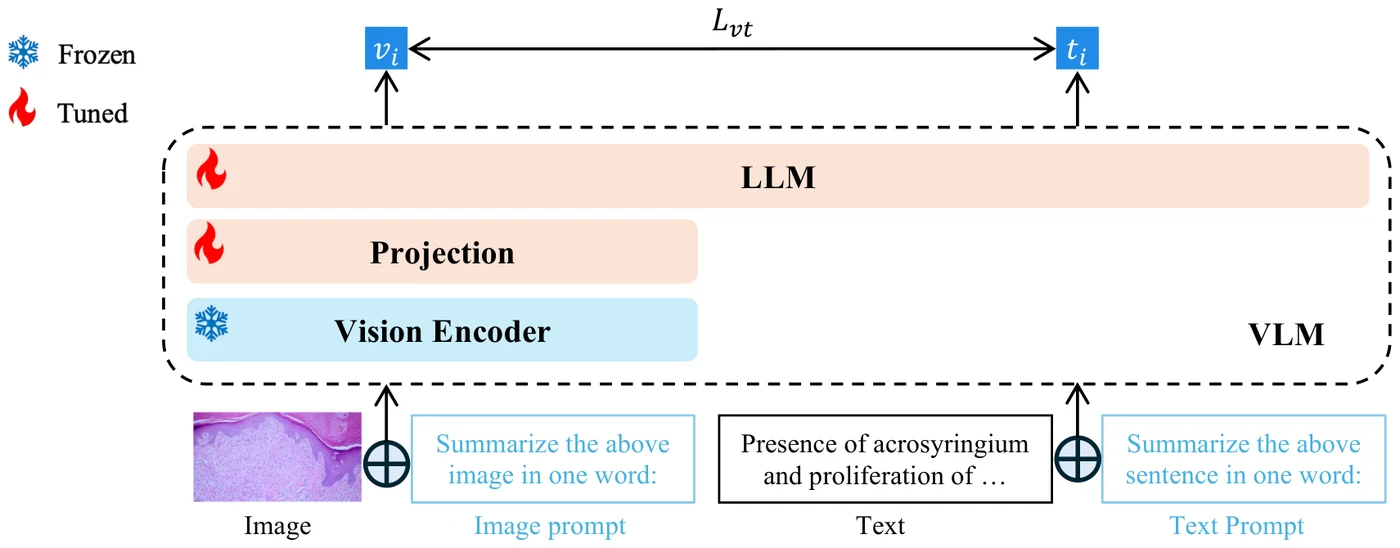
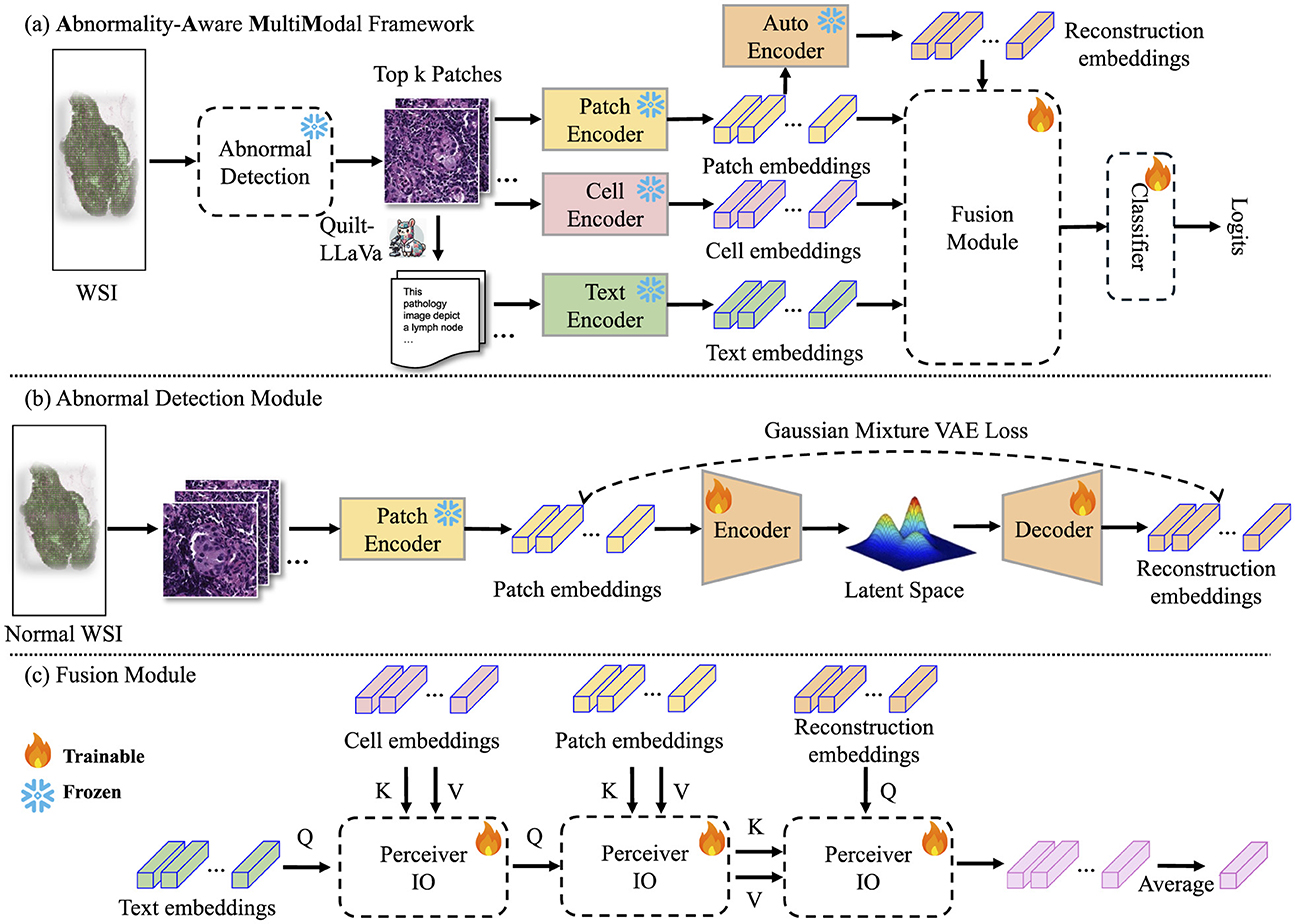
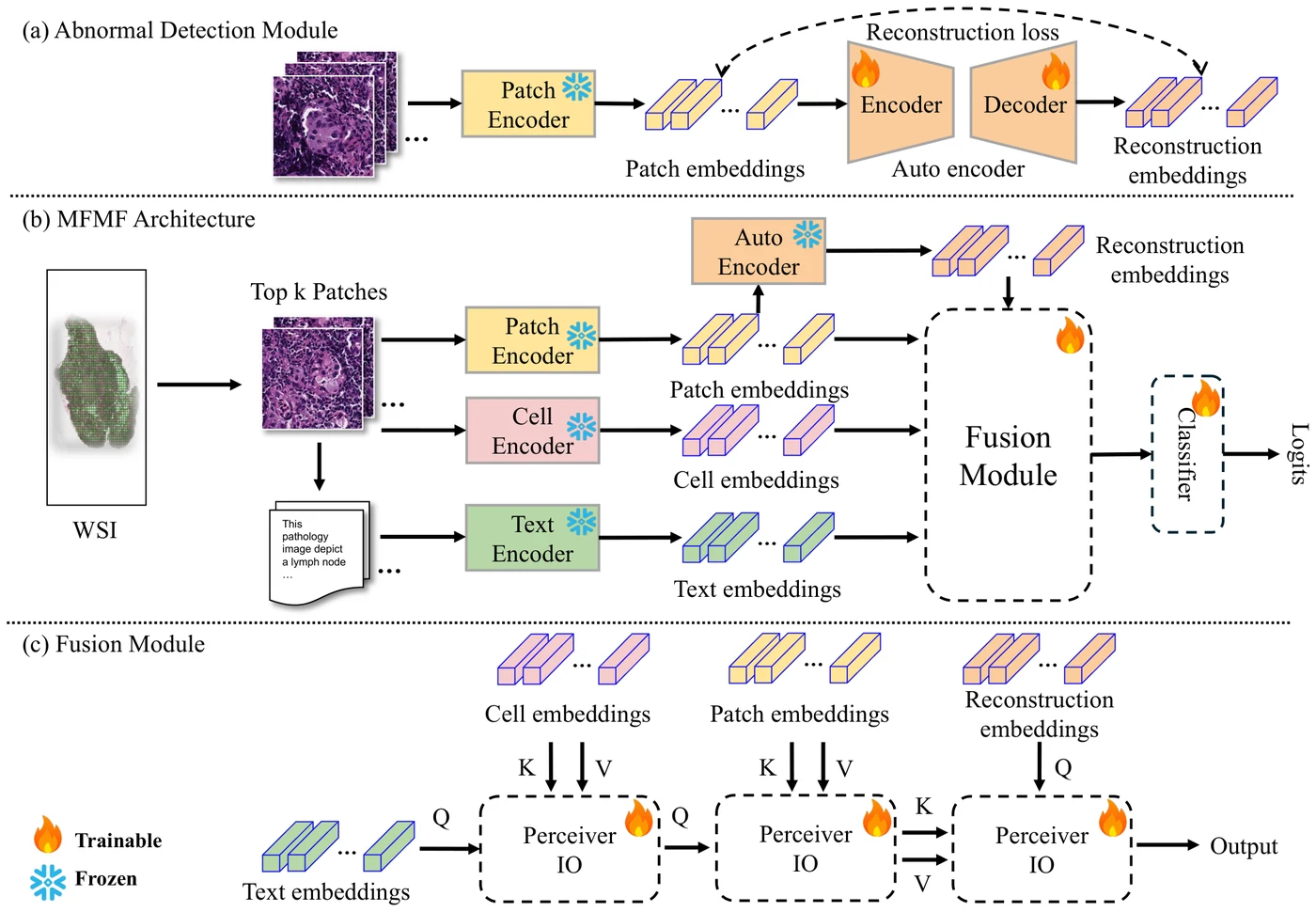
Whole-slide image analysis, nuclei segmentation, survival prediction and screening from medical images, with a focus on learning under weak labels and on predictions clinicians can interpret.
IEEE TNNLS'25Segment Any Cell: A SAM-based Auto-prompting Fine-tuning Framework for Nuclei Segmentation
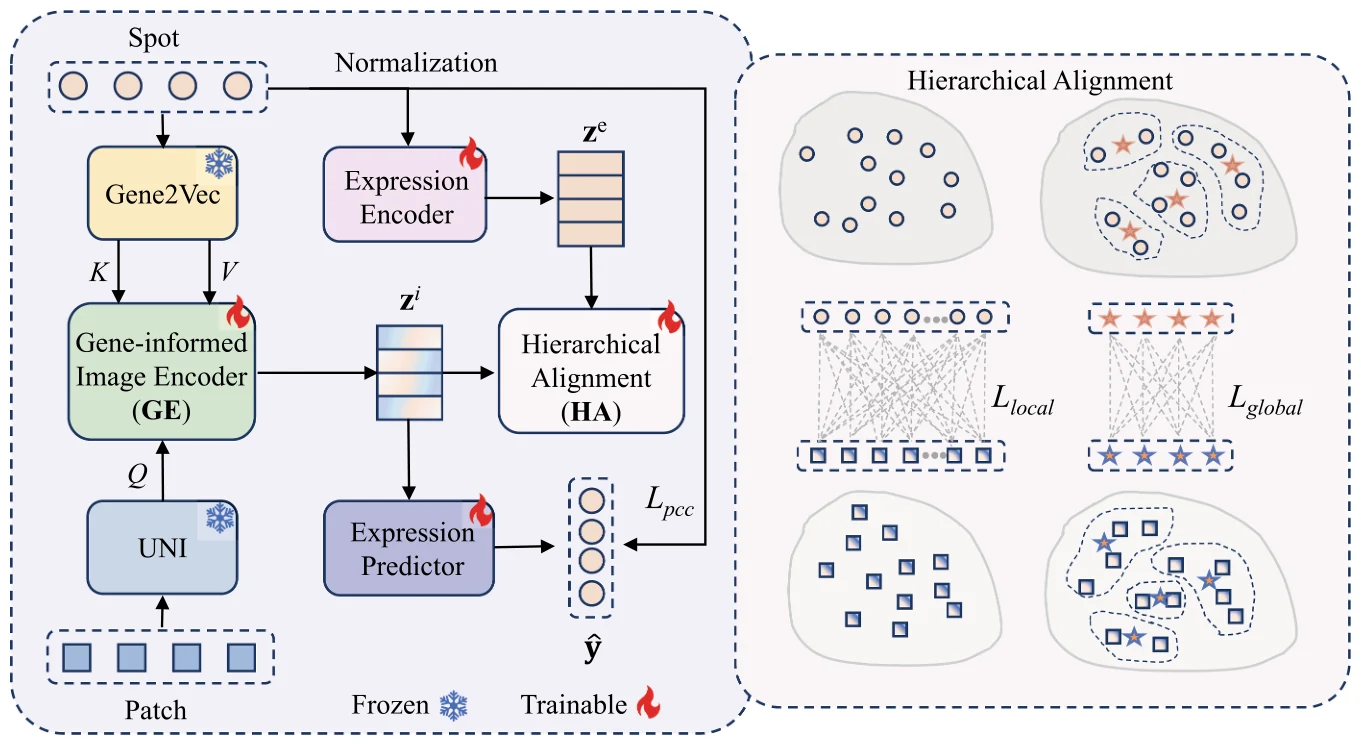
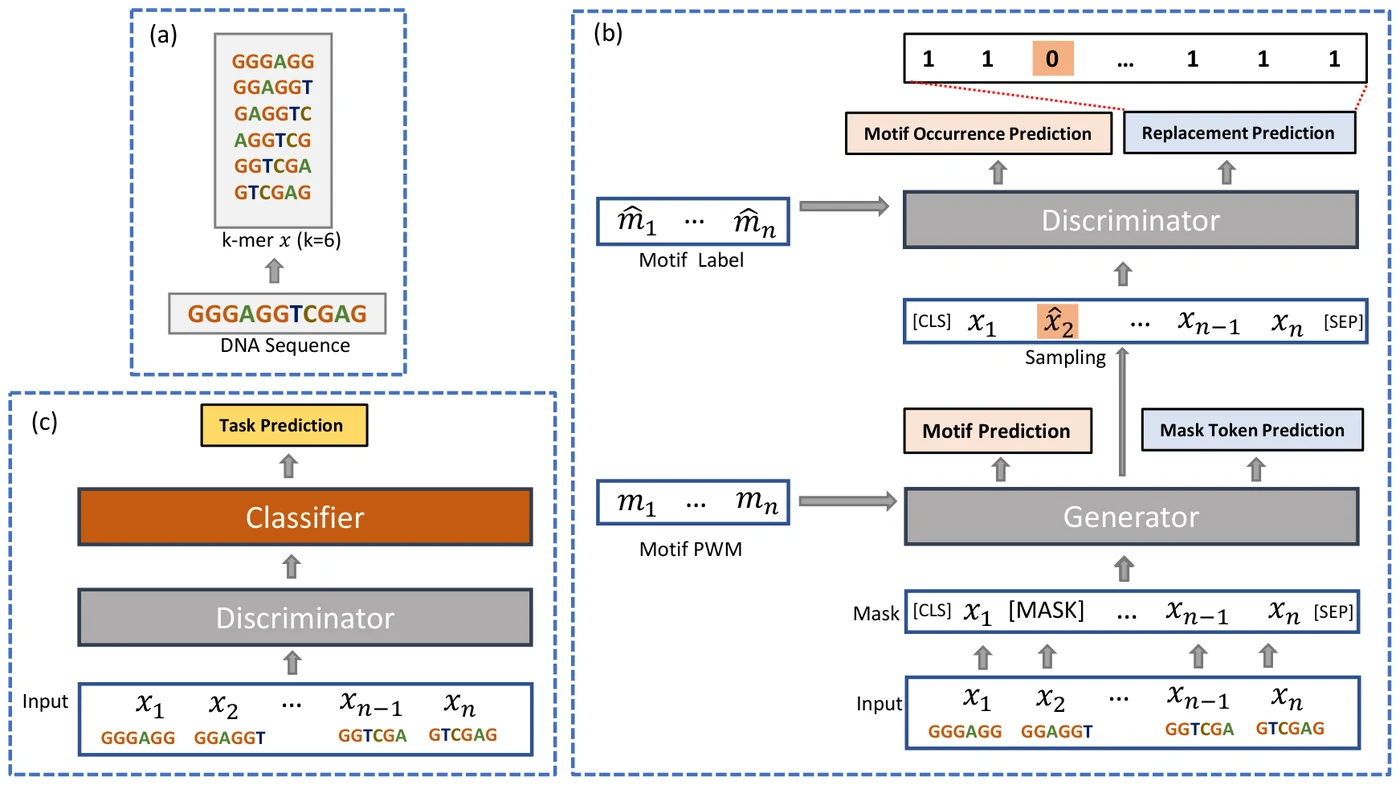
Language models and graph methods for genomic sequence and gene annotation: motif-oriented DNA pretraining, Gene Ontology-informed representations, and predicting the phenotypic consequences of gene knockouts.
AAAI'26GenePheno: Interpretable Gene Knockout-Induced Phenotype Abnormality Prediction from Gene Sequences
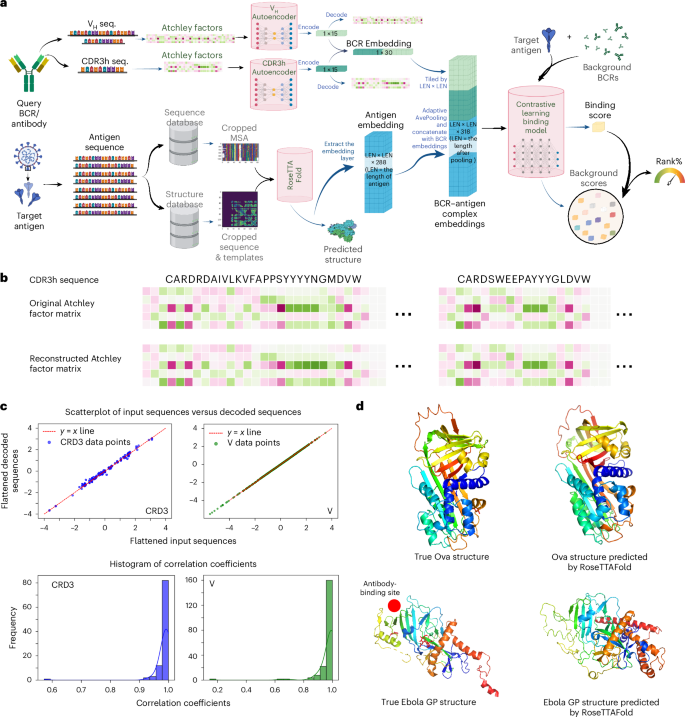
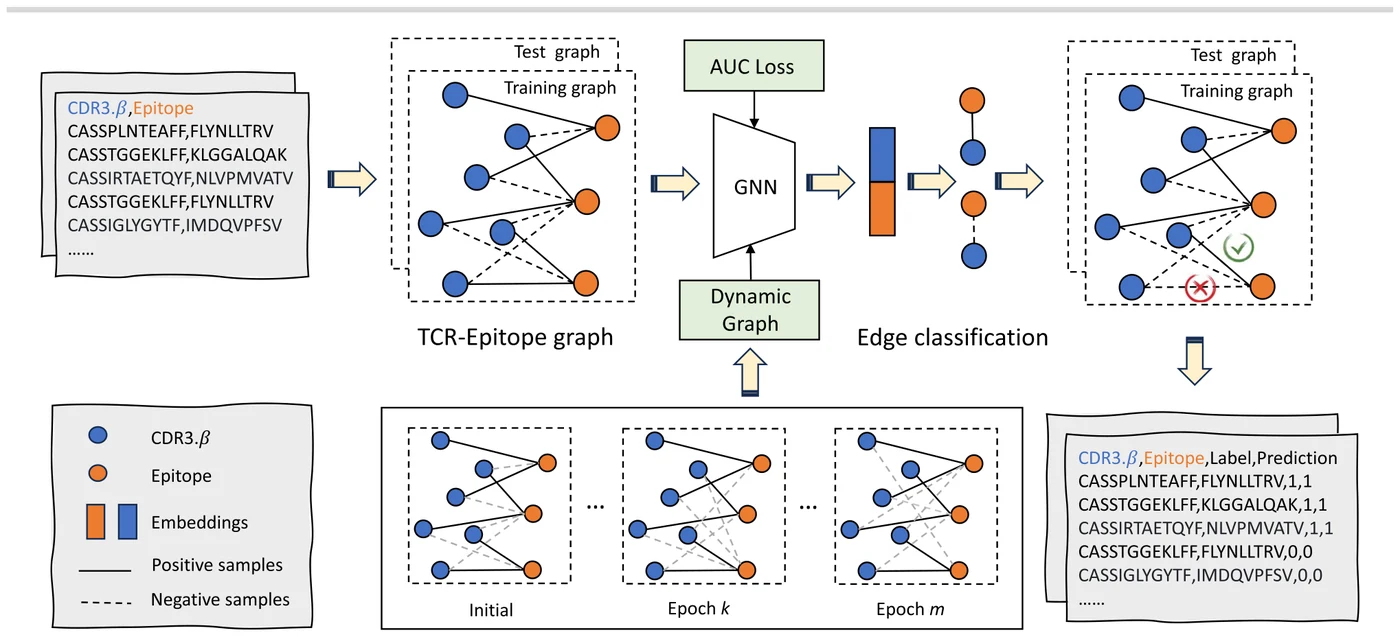
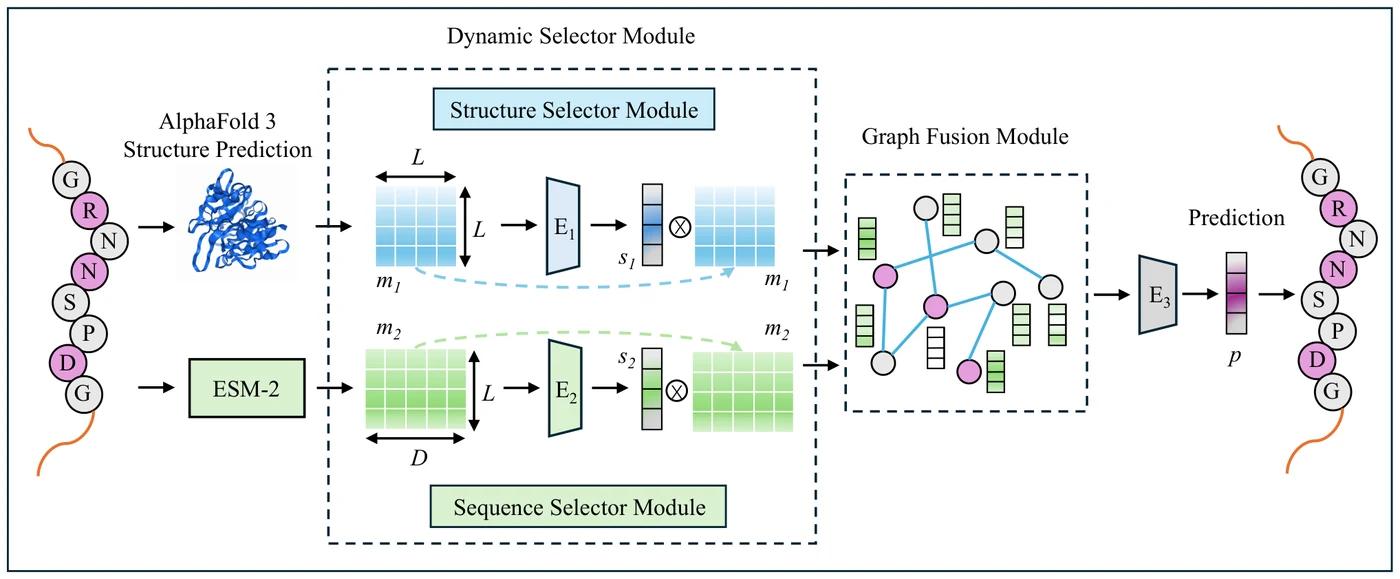
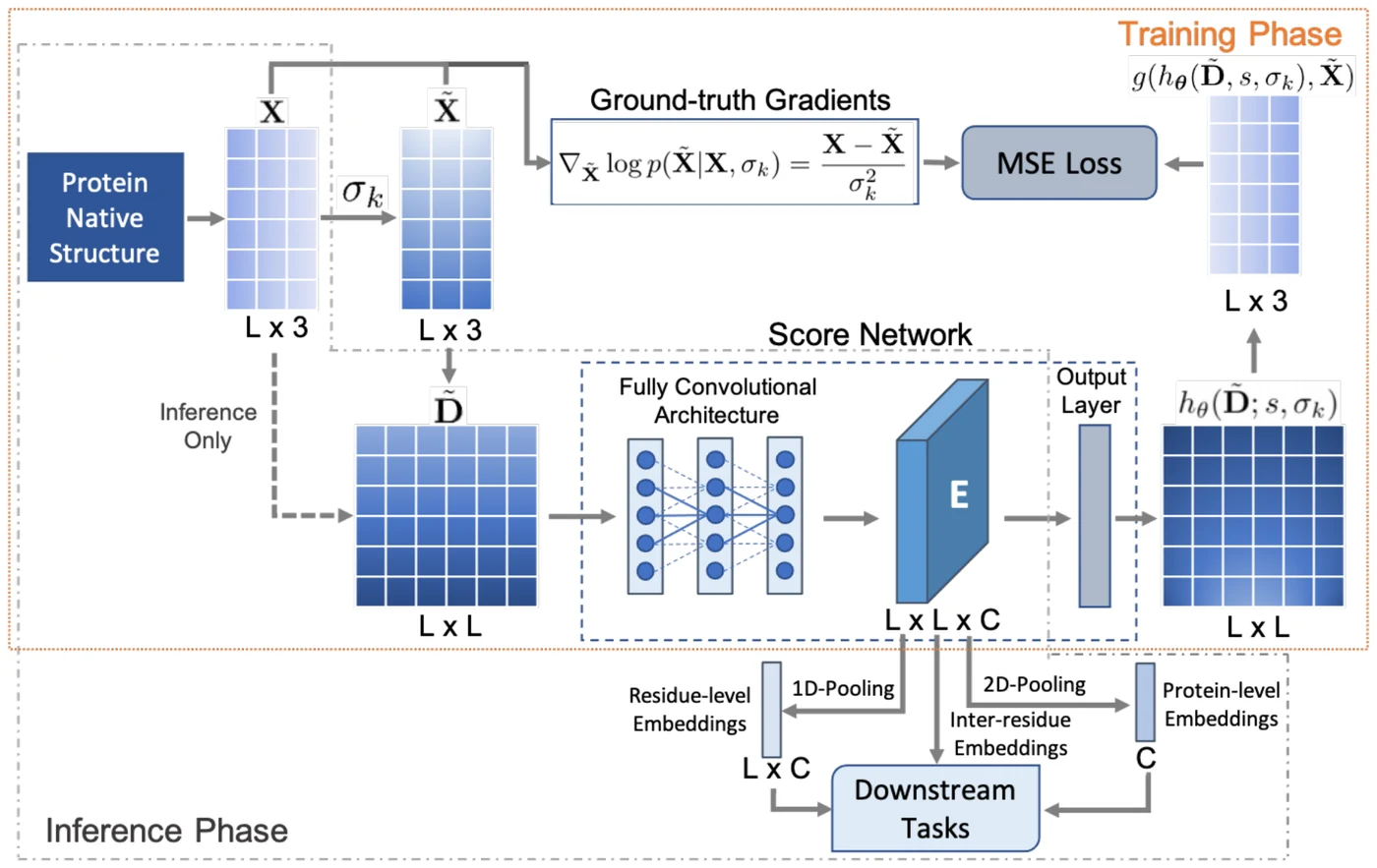
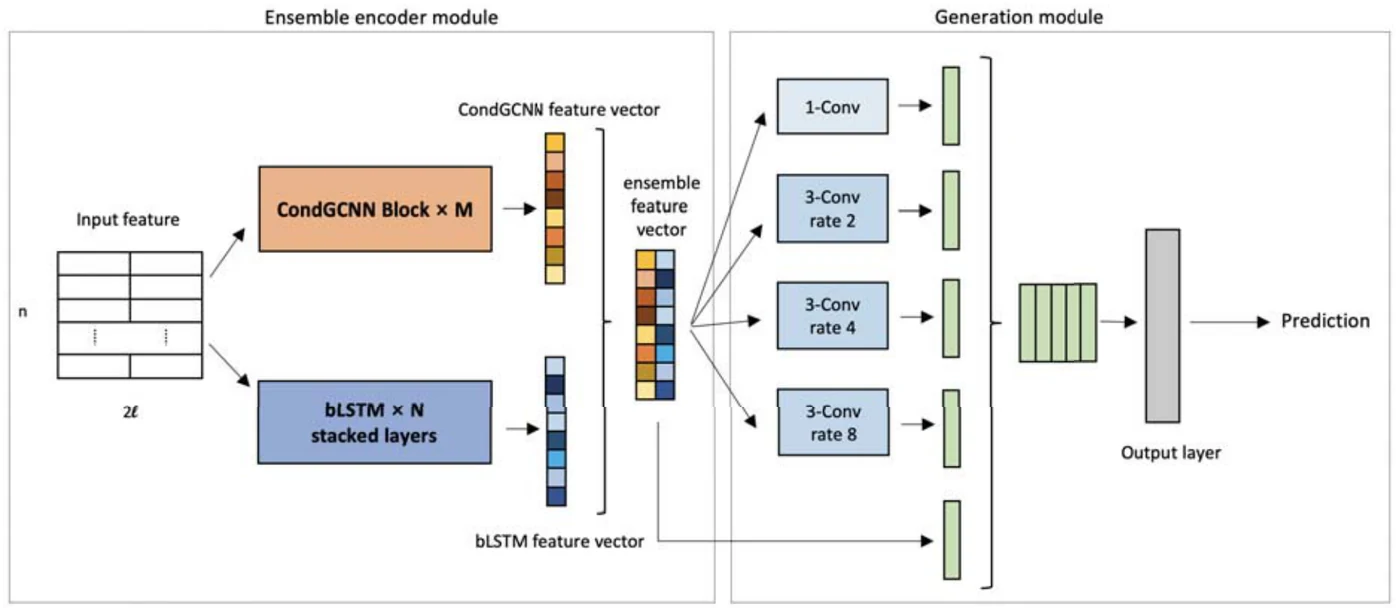
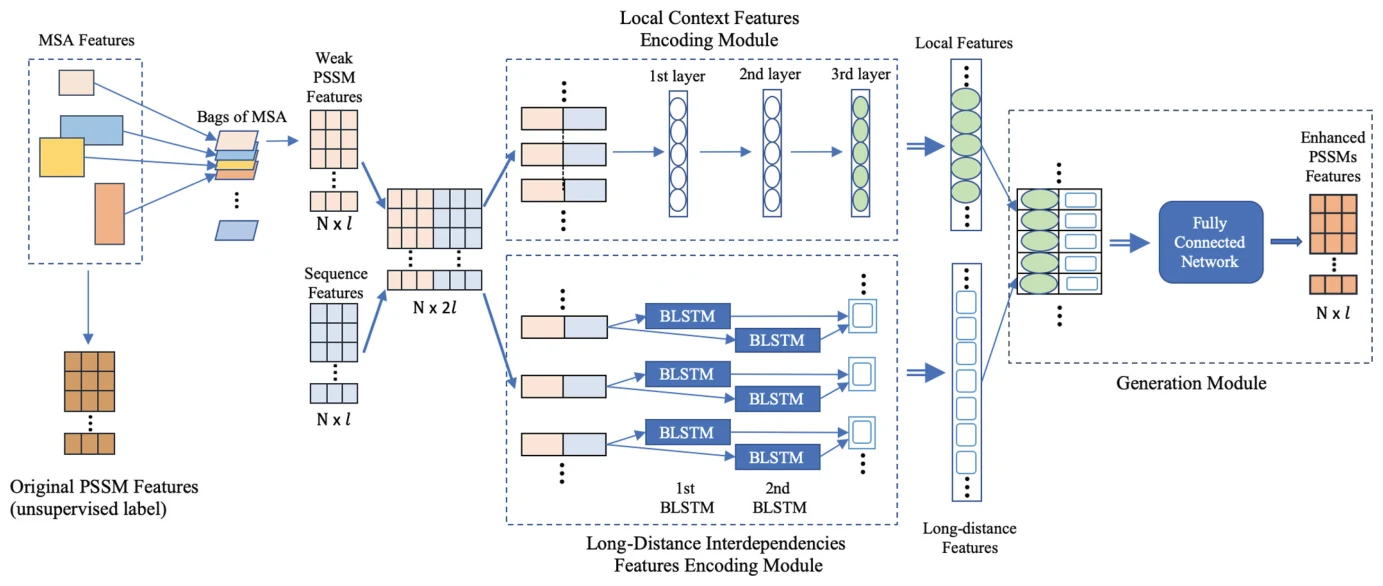
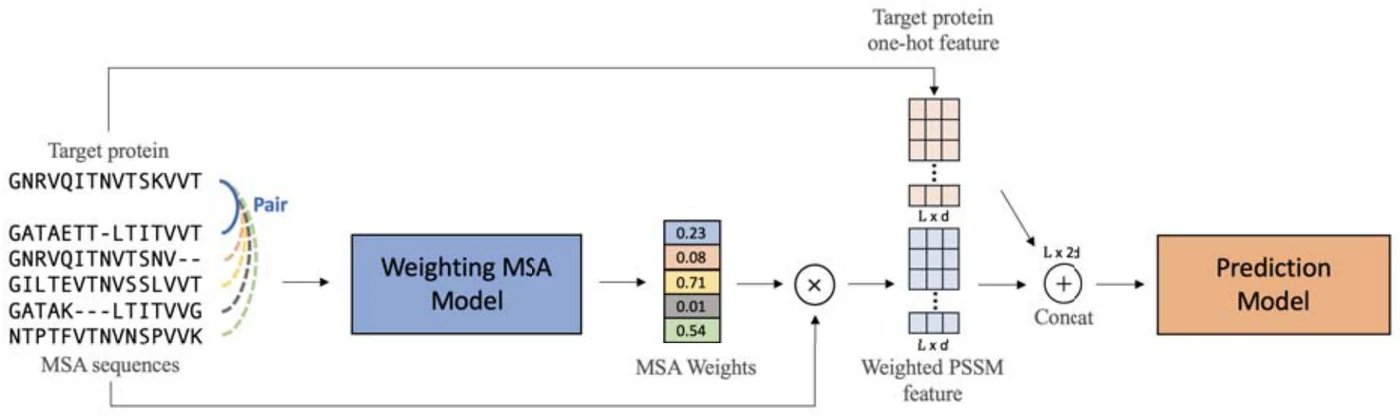
Representation learning for protein sequence and structure — secondary structure and structural property prediction, self-supervised pretraining from tertiary structures, and enhancing evolutionary profiles — together with the immune receptor side: BCR and TCR repertoires, antigen binding affinity and B-cell epitope prediction.
Nat. Cancer'25Profiling Antigen Binding Affinity of B Cell Repertoires in Tumors by Deep Learning
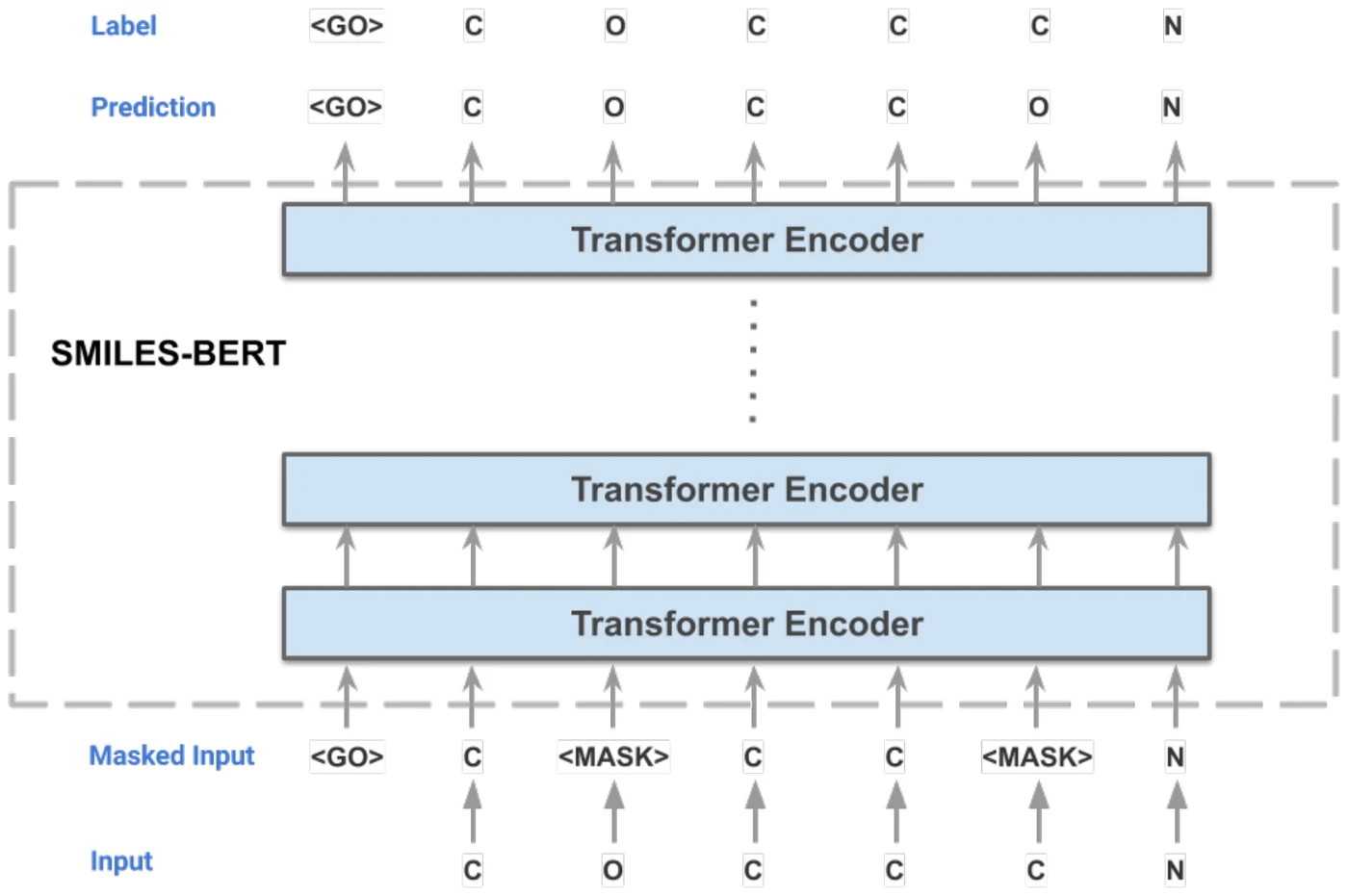
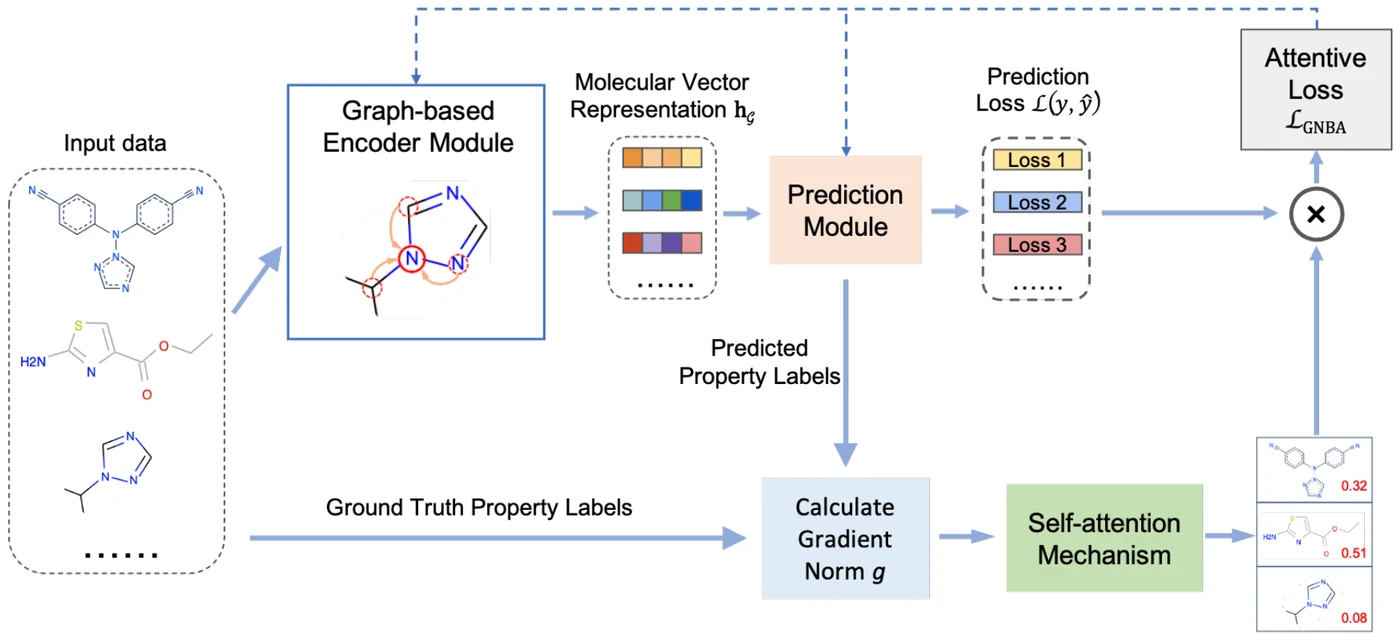
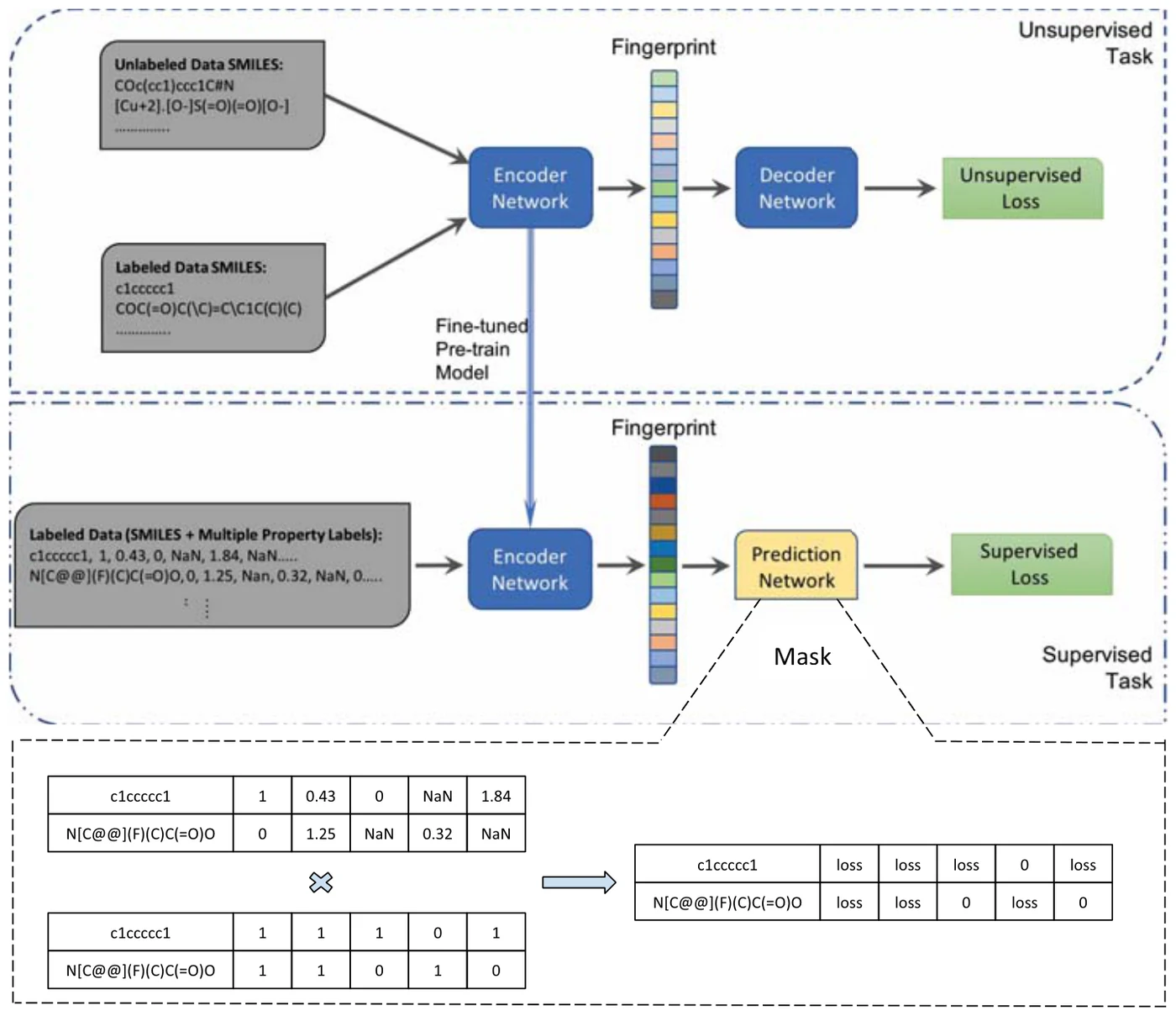
Pretraining and robust training for molecular property prediction, including learning from limited labels and handling the distribution shift that comes with new chemical space.
ACM BCB'19SMILES-BERT: Large Scale Unsupervised Pre-training for Molecular Property Prediction
A multimodal world model that splits each modality into a shared summary
plus a modality-specific residual instead of forcing one aligned latent.
Preliminary ALFRED results: better next-state prediction and native
missing-modality inference, with no alignment loss.
Modality-Aware Fusion for AD Conversion Prediction
In progress
Predicting progression from MCI to Alzheimer's disease using ADNI
imaging, PET, protein, genetic and clinical data. Our modality-aware
fusion model matches the strongest tabular baseline on complete data
and pulls significantly ahead once input modalities go missing — the
setting it would actually be deployed under.
Links marked ↗ OneDrive require access. Only Kent State University email accounts (@kent.edu) can request access. Download the HTML file and
open it in a browser to read it.
We are always looking for motivated students and collaborators who are
interested in machine learning, computer vision, and AI for biology and
medicine. If our work sounds exciting to you, we would love to hear from you.

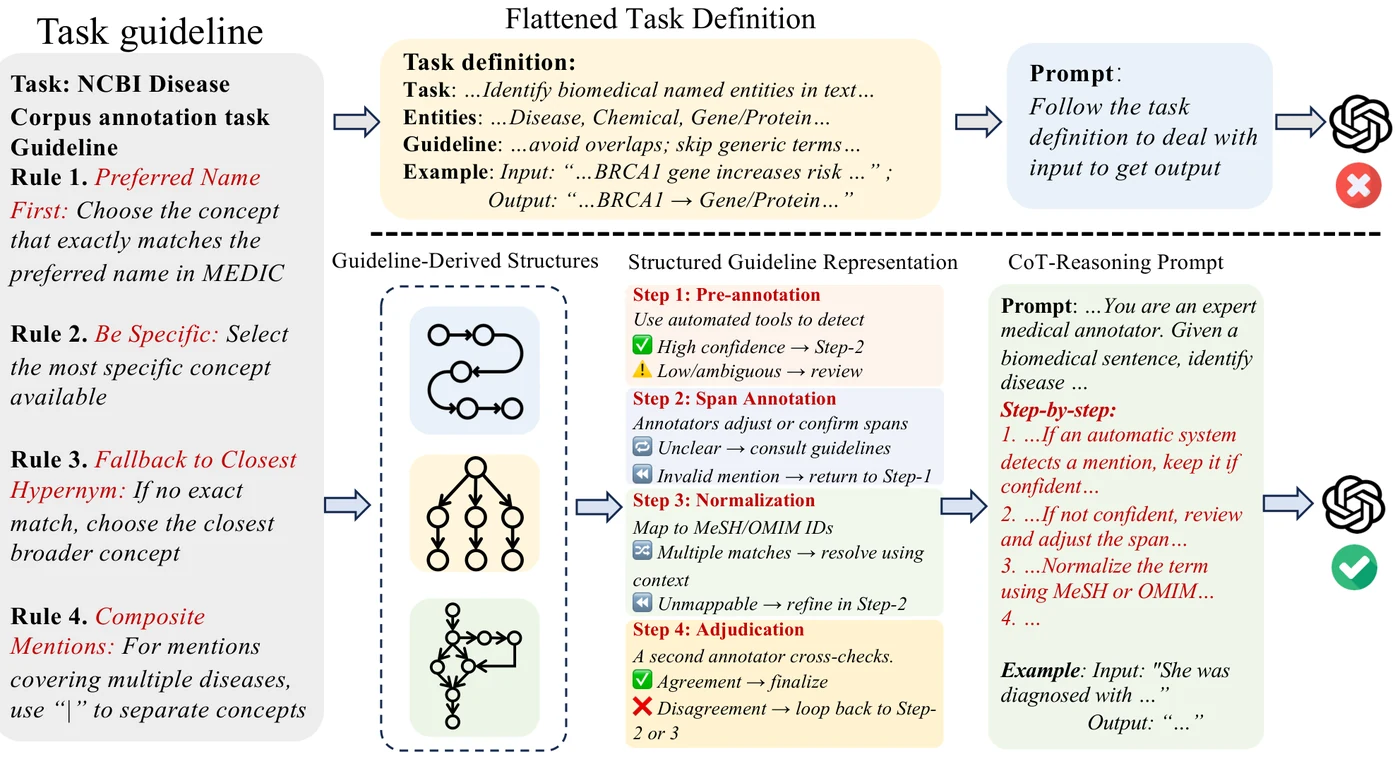

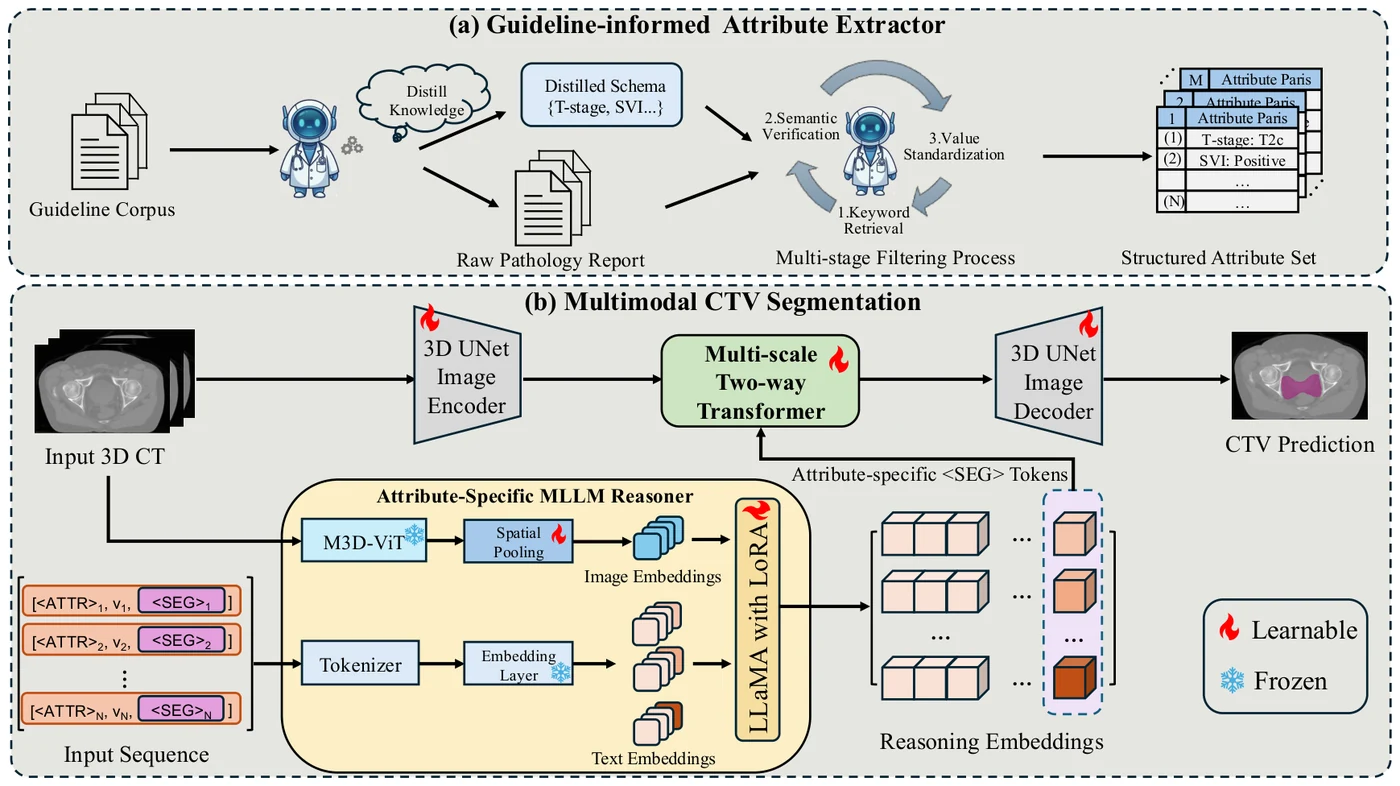 MIDL'26Guideline-Informed MLLM Reasoning for Pathology-Aware Post-Operative Prostate CTV Segmentation